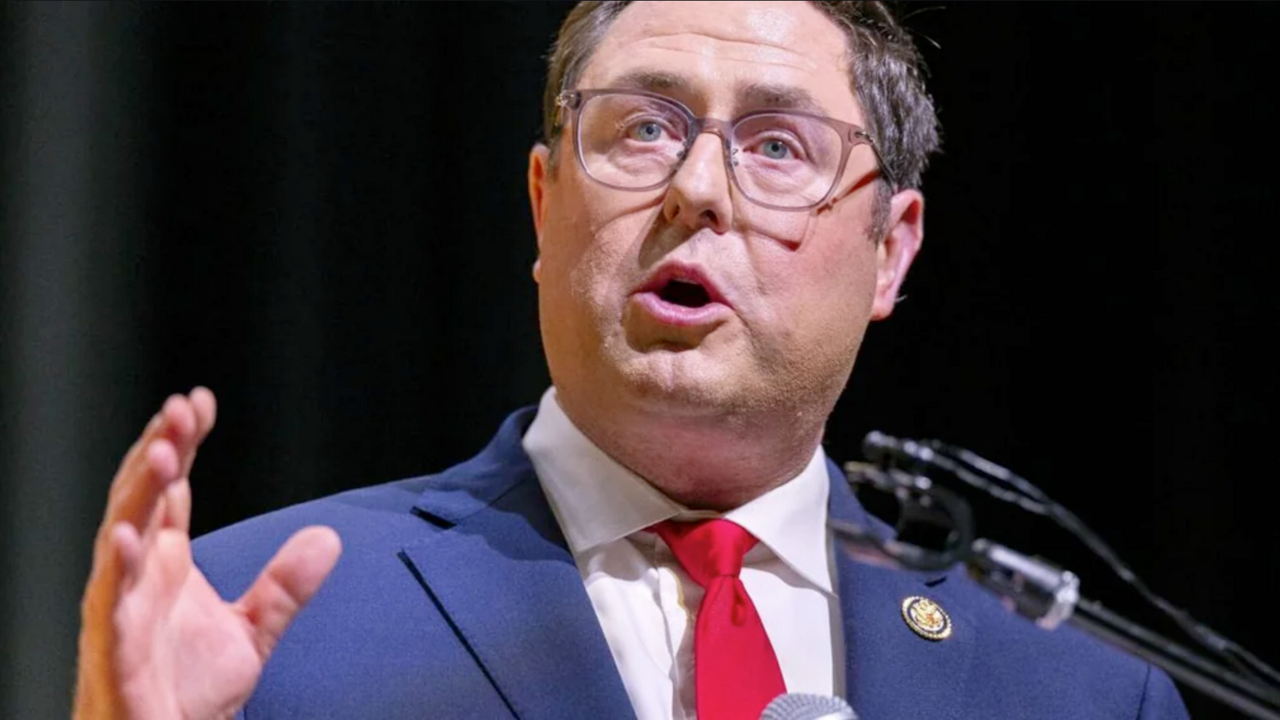
Nebraska Representative Mike Flood confirmed Thursday on MSNBC's Morning Joe that the massive Medicaid cuts he voted for will indeed close six rural hospitals in his state, expressing the kind of serene indifference typically reserved for discussing weather patterns.
When host Joe Scarborough pointed out that rural communities rely on Medicaid coverage more than urban areas, meaning hospitals operating on razor-thin margins would be forced to absorb skyrocketing rates of uncompensated care, Flood responded with the quiet confidence of a man who has finally achieved his dream of ensuring his constituents must drive three hours for emergency care.
The congressman's unwavering support for the "Big, Beautiful Bill," which includes more than $1 trillion worth of cuts from Medicaid over the next decade, represents a bold new strategy in Republican healthcare policy: simply removing the healthcare. Sources confirm this eliminates the complicated middle step of "improving" it.
During a town hall in Lincoln, Flood was interrupted by boos and chants of "tax the rich" while defending the GOP's bill and its impact on Medicaid, which observers noted was a somewhat predictable response to a representative explaining why voting to destroy local hospitals was actually very thoughtful and necessary.
A health clinic in the southwest Nebraska town of Curtis announced it will close in the coming months, in part blaming the anticipated Medicaid cuts, marking an exciting milestone in Flood's apparent mission to transform Nebraska's healthcare system into a fond memory. The clinic's closure provides rural Nebraskans with the character-building opportunity to contemplate their medical emergencies from greater distances.
In a particularly masterful rhetorical flourish, Flood penned an op-ed titled "How the 'Big, Beautiful Bill' Saved Medicaid from Disaster," claiming the bill protects Medicaid and strengthens the healthcare system—a definition of "saving" that apparently involves shuttering facilities and removing coverage from tens of thousands of people, much like how one might "save" a building by demolishing it.
The congressman's innovative approach to constituent services—voting to eliminate their access to emergency medical care—has reportedly freed up considerable time in his schedule, as he will no longer need to attend ribbon-cutting ceremonies at hospitals that no longer exist.
At press time, Flood was seen explaining to a reporter that rural Nebraskans should simply stop having medical emergencies, calling it "a commonsense solution."