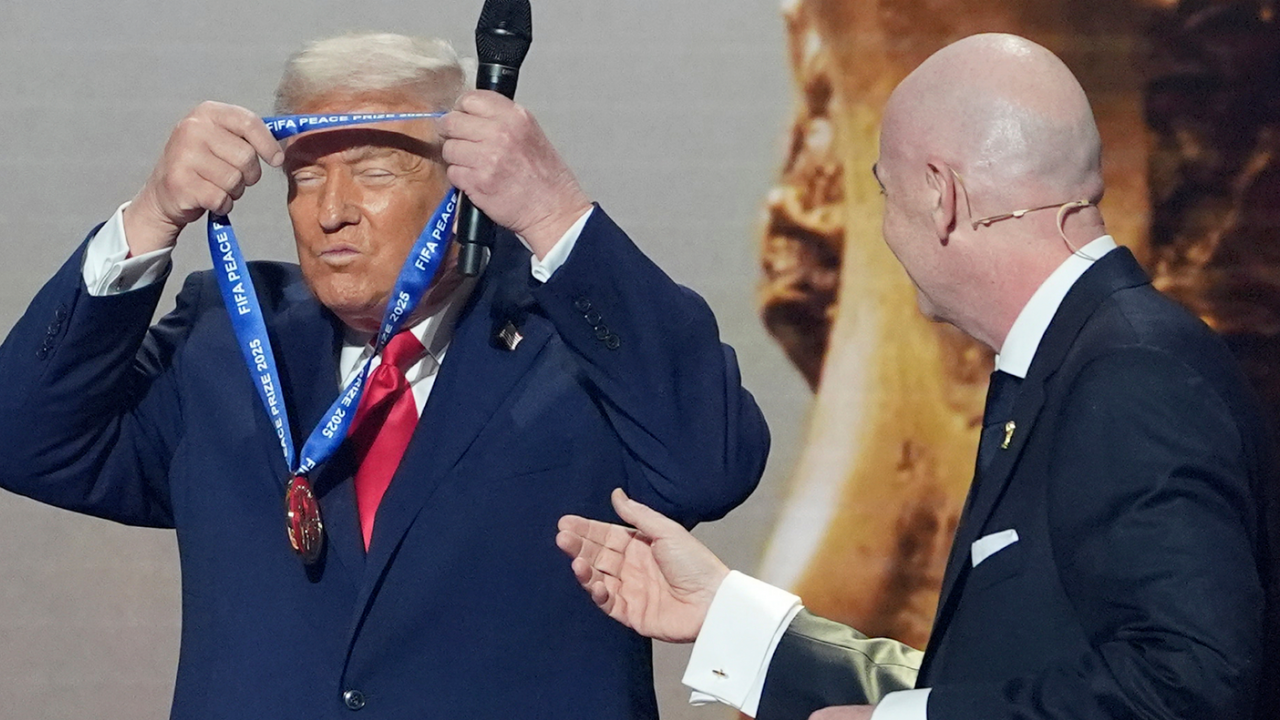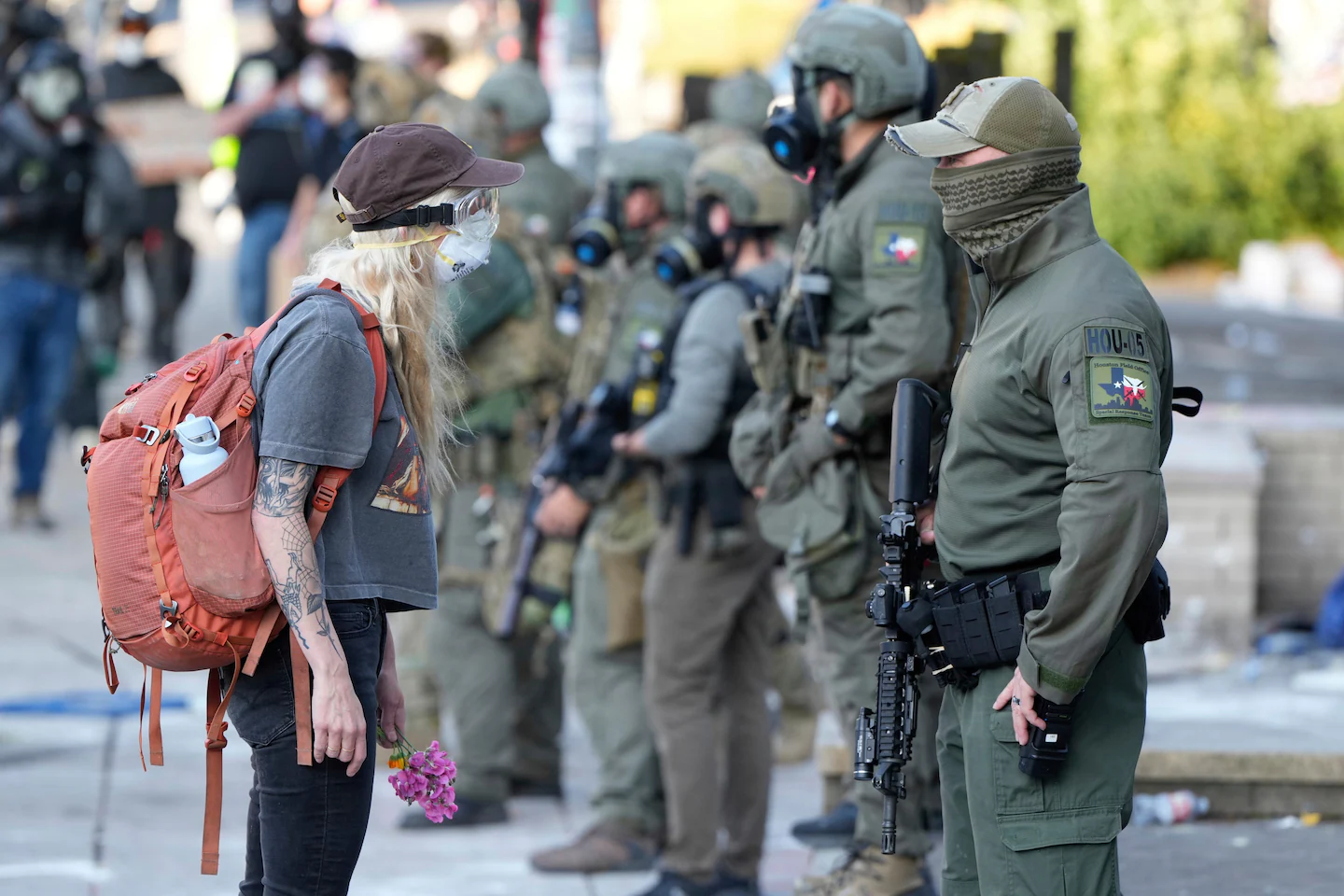
President Donald J. Trump has announced he’s sending U.S. troops into Portland, Oregon, to “protect” ICE facilities from what he calls “Antifa and other domestic terrorists.” He’s even authorized “full force, if necessary.” It’s official: the right-wing grievance machine has deployed its cavalry — against people opposing fascism.
Let’s recap the carnivalesque logic:
-
On September 22, 2025, Trump signed an executive order labeling antifa (a largely decentralized anti-fascist ideology) as a “domestic terrorist organization.”
-
Days later, he instructed the Department of Defense to provide “all necessary troops” to Portland, and protect ICE buildings he claims are under siege. And — drum roll — he explicitly authorized “full force, if necessary.”
-
Local politicians immediately pushed back. Portland’s mayor said the number of needed troops is zero. Oregon’s governor called the move an abuse of executive power.
But beyond the theatrics lies the political playbook: Trump is doubling down on his signature “law and order / radical left threat” narrative. Labeling protest or dissent as “terrorism” is a rhetorical flex — aimed at chilling activism, turning political opposition into alleged existential peril, and manufacturing a crisis in the name of political survival. One pundit put it more plainly: “If your favorite tool in politics is calling your foes terrorists, maybe you’re the one trying to stage a war.”
Legal scholars are already sounding alarms. The Posse Comitatus Act generally forbids using active-duty military forces in civilian law enforcement. (Hello, separation of powers?) In fact, a judge recently blocked Trump from deploying troops to help fight crime in California, citing overreach and violations of that very law. Meanwhile, his “antifa = terror group” designation might buck longstanding legal standards because antifa isn’t a formal, hierarchical organization with leadership to target.
In the broader narrative arc, this latest move is part of a pattern: first Los Angeles (June 2025), then Washington, D.C. (August 2025), and now Portland (September 2025). Each deployment lands in Democratic-led cities, reinforcing the optics—and accusations—of partisan militarization. During the D.C. takeover, Trump even shifted control of the Metropolitan Police Department to the federal government—despite statistics showing violent crime at a multi-decade low.
Critics say we’re not witnessing law enforcement or public safety — we’re watching performance politics dressed in camo. Will Trump’s troops run into peaceful protesters waving signs? Will “full force” be turned on cameras? Will lawsuits, constitutional challenges, and public outrage be enough to dial this back? Possibly.
But for now, the show is live—and the script is unmistakable: if dissent is criminalized, then the political franchise is undermined. Trump’s gambit may be theater, but its consequences could be dangerously real.
Stay tuned: next week — troops to Chicago, maybe Raleigh? The EMP-proof bunker is being constructed.