TALLAHASSEE, FL — The Trump administration is reportedly considering the public release of transcripts from Deputy Attorney General Todd Blanche’s July meetings with convicted sex trafficker Ghislaine Maxwell—an effort officials say will reinforce the American tradition of truth-seeking while ensuring no reputational harm comes to powerful members of society.
The meetings, which took place at a Florida courthouse over two days, were part of the administration’s campaign to “close the book” on the so-called Epstein Files—a media frenzy that the MAGA base has said to distract from the core American priorities of immigration control and tariff revenue. According to ABC News, Maxwell spoke freely, with what her lawyer called a "spirit of full cooperation and courage.” Allegedly, she named nearly 100 individuals, and more importantly, without being provoked, suddenly mentioned that Donald Trump did “nothing concerning.”
Maxwell, who is currently serving a 20-year sentence for her innovative logistical role in Jeffrey Epstein’s underage trafficking enterprise, is appealing her conviction to the Supreme Court. Her participation in these meetings has been framed by officials as a model of accountability, despite her own opposition to releasing transcripts that could, according to her legal team, “irrevocably harm reputations” and “influence future legal proceedings”—two consequences widely considered unhelpful during an election cycle.
Vice President J.D. Vance convened a strategy summit Wednesday evening with top administration officials, working late into the night to determine how best to deliver transparency without undue inconvenience to high-net-worth individuals. CNN confirmed the meeting was recorded and is being digitized, making sure that this time, they don't use iMovie to edit the recording.
Trump's Distant, Polite Relationship with Epstein
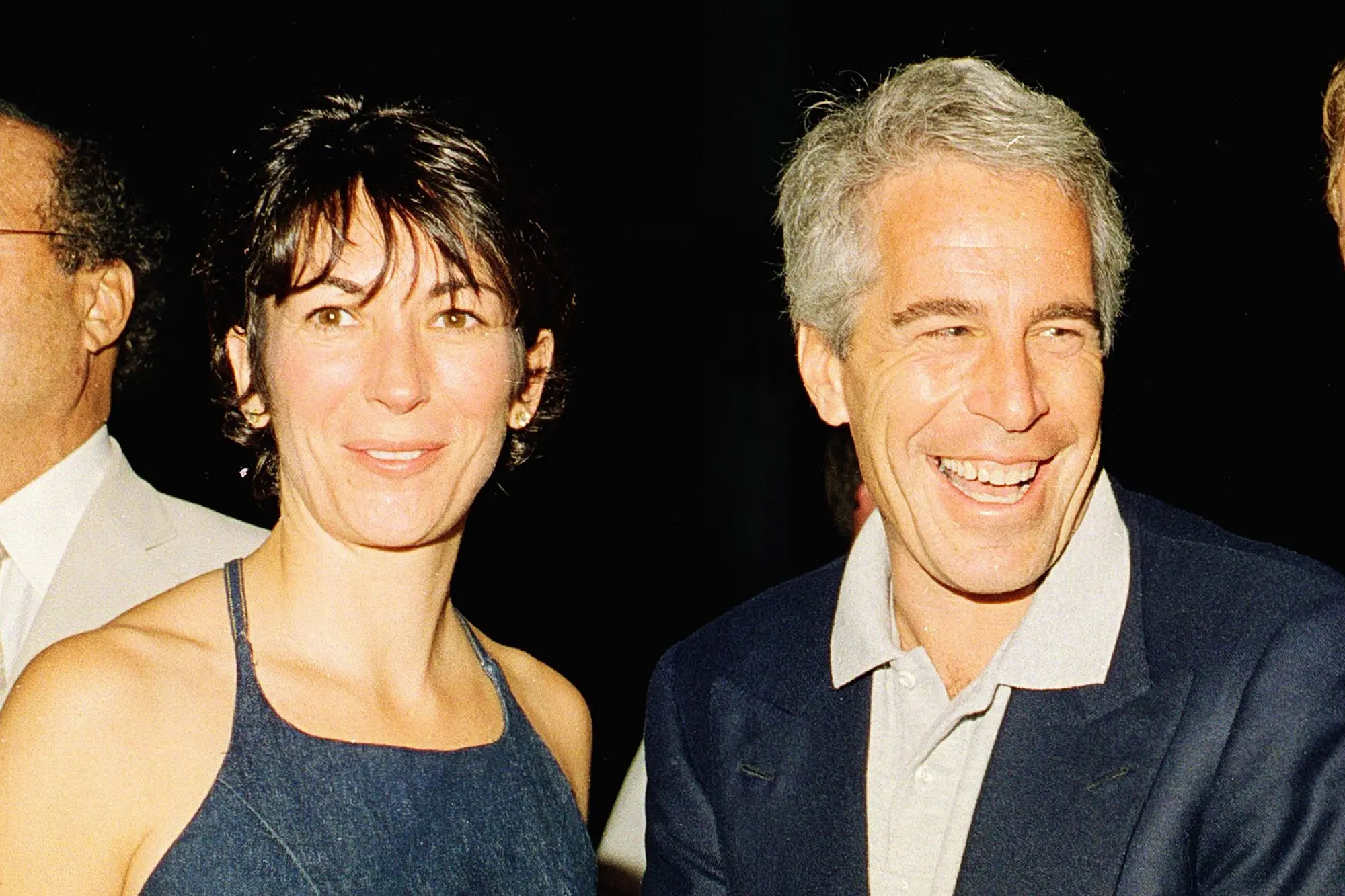
While known to have been photographed with Epstein at parties during the golden age of Palm Beach society, Trump has repeatedly stated that their relationship soured in the mid-2000s after Epstein reportedly “stole” young female employees from Trump—an unforgivable offense in the sex-trafficking industry.
“He was a creep,” Trump has said plainly, noting that Epstein was banned from Mar-a-Lago in 2007 for misconduct. In a rare gesture of bipartisan agreement, many believe this decisive action marks one of the earliest known modern examples of workplace boundary enforcement.
Flight logs indicate that Trump did, at some point, fly aboard Epstein’s jet—a fact Trump has responded to with clear-eyed transparency, stating he had no idea about the plane’s more scandalous history, nor about the recently reported birthday card he allegedly drew for Epstein in 2003, which featured “sexually suggestive” illustrations. Trump has since sued the Wall Street Journal for $10 billion over the claim, citing a personal commitment to both dignity and accurate cartooning.
A Transparent Process to Support National Healing
Attorney General Pam Bondi—who has become a household name in transparency leadership—filed a motion to unseal grand jury records tied to Epstein and Maxwell, ensuring the American people see “what is already widely known,” minus the names of victims and certain enablers who may have positions in government.
In a memo to the court, Bondi reassured judges that “much” of the information is already public, and thus its release could be framed as “confirmational rather than revelatory”—a position heralded by constitutional originalists and some transparency influencers on social media.
Critics, including survivors of Epstein's trafficking ring, have asked that any disclosure be victim-focused and not reduced to political spectacle. One anonymous survivor described the government's approach as lacking "concern," while another lamented being used as a “pawn” in political discourse—a sentiment the administration says reflects the unfortunate tension between personal healing and national unity.
Still, survivors like Annie Farmer have voiced cautious support for transcript releases, so long as identities are protected. Farmer’s legal team argued that the “magnitude and abhorrence” of the crimes warrant a full accounting of how such operations were allowed to flourish “and who helped them do it”—a proposal some administration insiders fear could lead to a slippery slope of consequence.
Leadership Through Distraction Management
To preserve judicial integrity and protect the time of Supreme Court justices from emotional interference, Maxwell’s attorneys insist that the unsealing of transcripts be delayed—an ask that resonates deeply with the administration's reaction to the American people.
Maxwell's sudden transfer to a more comfortable minimum-security facility in Texas was met with questions, but President Trump clarified Tuesday that he had no involvement, despite casually mentioning that he is "allowed" to pardon Maxwell. "I didn’t know about it at all. I read about it just like you did,” he said. “It’s not a very uncommon thing,” he added, expressing admiration for bureaucratic autonomy.
Legal analysts expect a carefully redacted release of documents within the year, possibly in time for the holiday season, when public attention can more easily accommodate high-profile revelations.
As Trump continues to emphasize, his administration remains committed to transparency, justice, and the calculated exposure of facts.